

Early Beginnings (1903–1920s)
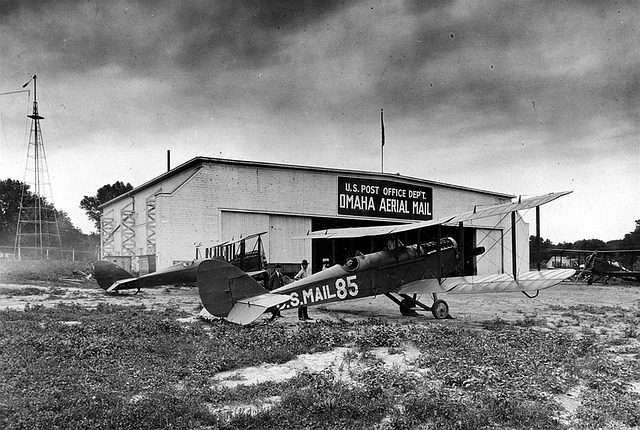
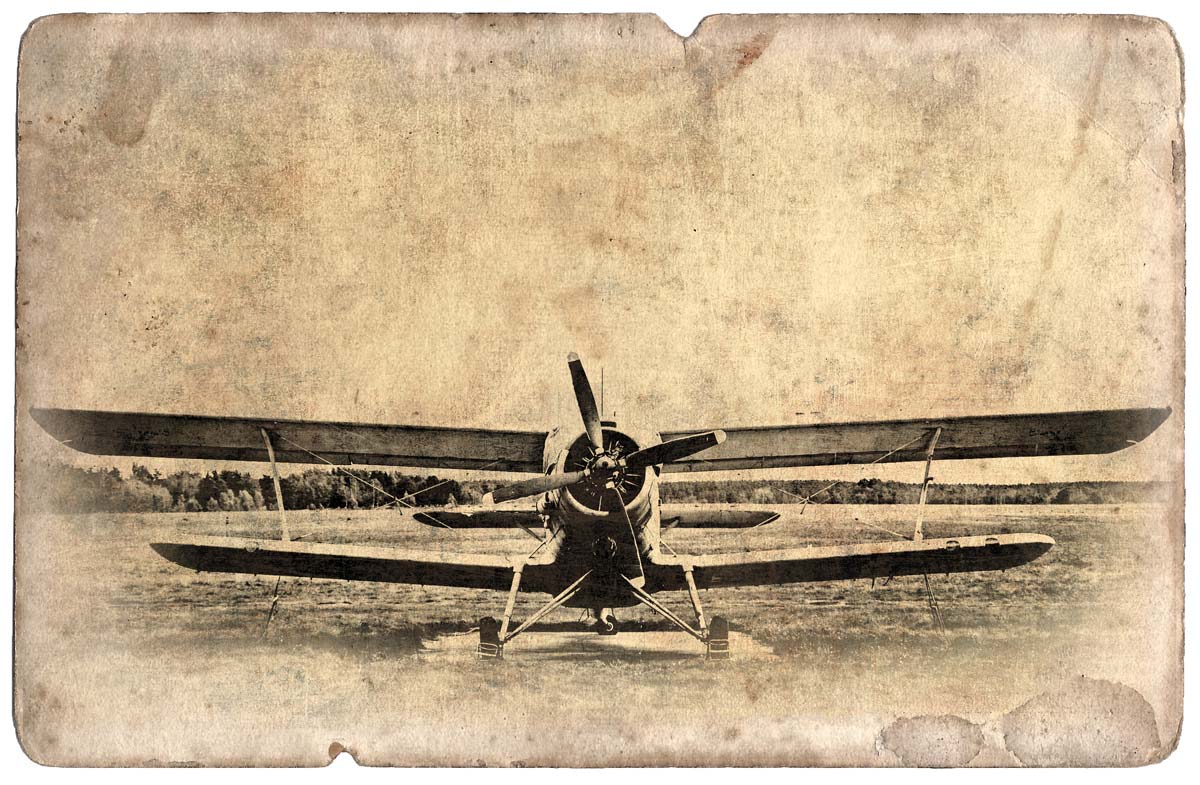
The history of private air charter traces back to the dawn of powered flight itself. The Wright Brothers' first flight in 1903 was essentially private, as all early aviation involved small, custom flights rather than scheduled commercial service. In the 1910s and 1920s, as aviation technology improved, wealthy individuals and early adventurers began hiring pilots and aircraft for personal travel, surveys, photography, or thrill-seeking. These were the first ad-hoc charters, often using modified biplanes or monoplanes. Commercial aviation was nascent, so most non-military flights were private or chartered.
/https://tf-cmsv2-smithsonianmag-media.s3.amazonaws.com/filer/47/48/47487269-eed0-488e-b1c7-4957942eea4c/180_firsttansatlantic-thumb.jpg)
Post-World War II Boom (1930s–1950s)
The 1930s saw growing use of private aircraft by businesses and the elite for efficiency, bypassing limited commercial routes. World War II provided a major boost: militaries worldwide relied on chartered aircraft for troop and equipment transport, sustaining the industry amid commercial slowdowns. Surplus military planes post-war flooded the market, making private flying more accessible.
Early dedicated business jets emerged:
- 1950s: Lockheed JetStar, one of the first purpose-built business jets.
Charter services expanded for corporate executives, using propeller and early jet aircraft.

Jet Age and Modern Charter Industry (1960s–1980s)
The true modern private jet era began in the 1960s:
- 1963: Learjet 23, the first mass-produced light business jet, revolutionized speed and accessibility for private travel.
Manufacturers like Gulfstream, Dassault, and Cessna followed, producing faster, longer-range jets. High costs (often $1 million+) led to the rise of charter services over outright ownership. Corporations and celebrities favored charters for flexibility and privacy.
- 1986: NetJets introduced fractional ownership, allowing shared jet access without full ownership burdens.
This model popularized on-demand charters further.


Contemporary Era (1990s–Present)
The internet in the 1990s transformed the industry, enabling global booking via brokers and operators. Jet cards, membership programs, and empty-leg deals made charters more affordable.
Post-9/11 and during the COVID-19 pandemic (2020+), demand surged for private travel due to privacy, flexibility, and health concerns—many first-time users became regulars.
Today, the industry is worth over $35 billion, with thousands of aircraft available worldwide. Innovations include sustainable fuels, electric/hybrid prototypes, and ultra-long-range jets. Charters range from light turboprops for short hops to luxurious VIP airliners, serving business, leisure, cargo, and medical needs.
Private air charter has evolved from exclusive elite transport to a mature, accessible industry emphasizing convenience over commercial alternatives.
0 comments